Skip to content
sudopicks
esc

TP-Link EAP110 vs TP-Link Omada EAP723

Researched, not hands-on tested.How we review ›

all judged against Wi-Fi access points at a similar price

The TP-Link Omada EAP723 scores 6.6/10 overall, ahead of the TP-Link EAP110 at 4.0/10.

The TP-Link EAP110 leads on management.

The TP-Link Omada EAP723 leads on wi-Fi standard and bands, uplink and power, software and security and value.

The biggest difference is uplink and power, where the TP-Link Omada EAP723 scores 8/10 to the TP-Link EAP110's 3/10.

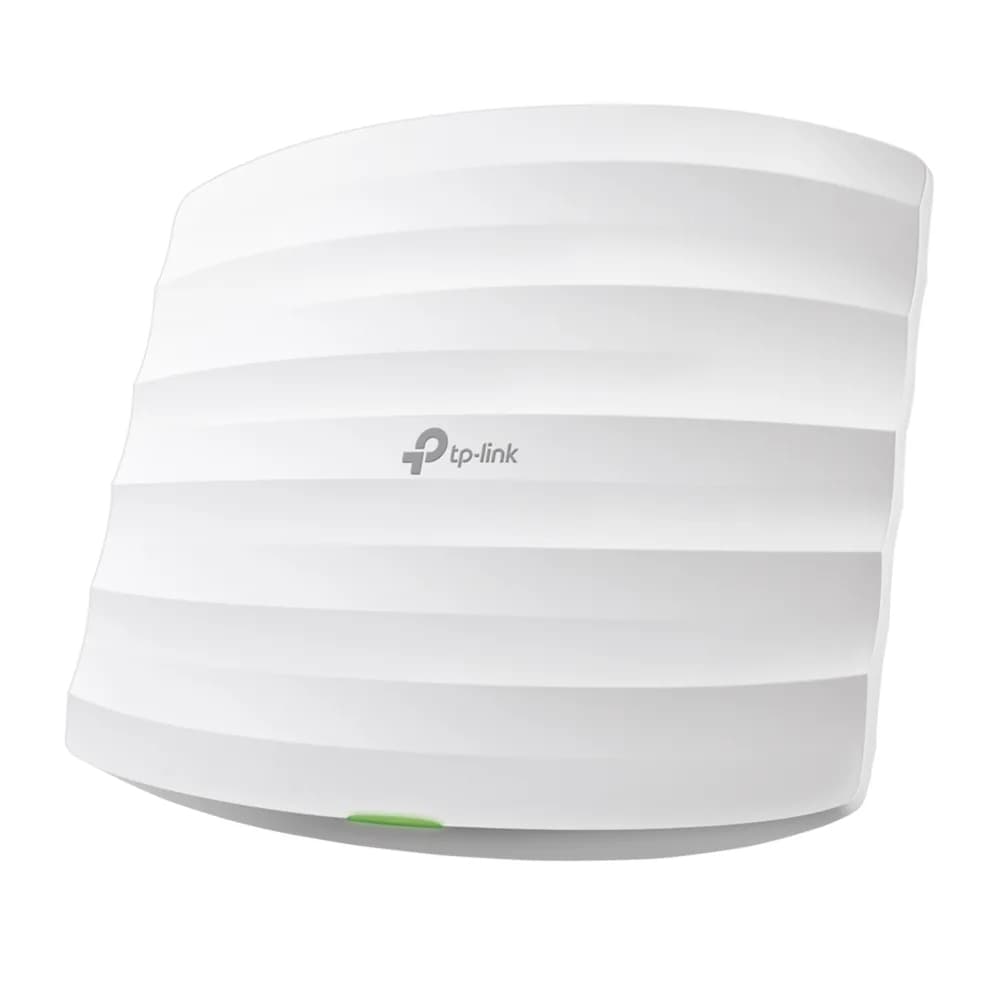
TP-Link EAP110

TP-Link EAP110

4.0/10verdict: skip

The TP-Link EAP110 is for small sites that want Omada-managed Wi-Fi with VLAN-tagged SSIDs and have modest wireless needs. It suits light jobs such as a guest or IoT network, where 2.4 GHz at up to 300 Mbps is enough. It does not suit anyone who needs 5 GHz, WPA3 or a faster wired link.

Typically about £38.35 in the UK when we researched itCheck price at Amazon UK (opens in a new tab, affiliate link)

Affiliate link. As an Amazon Associate I earn from qualifying purchases. Details
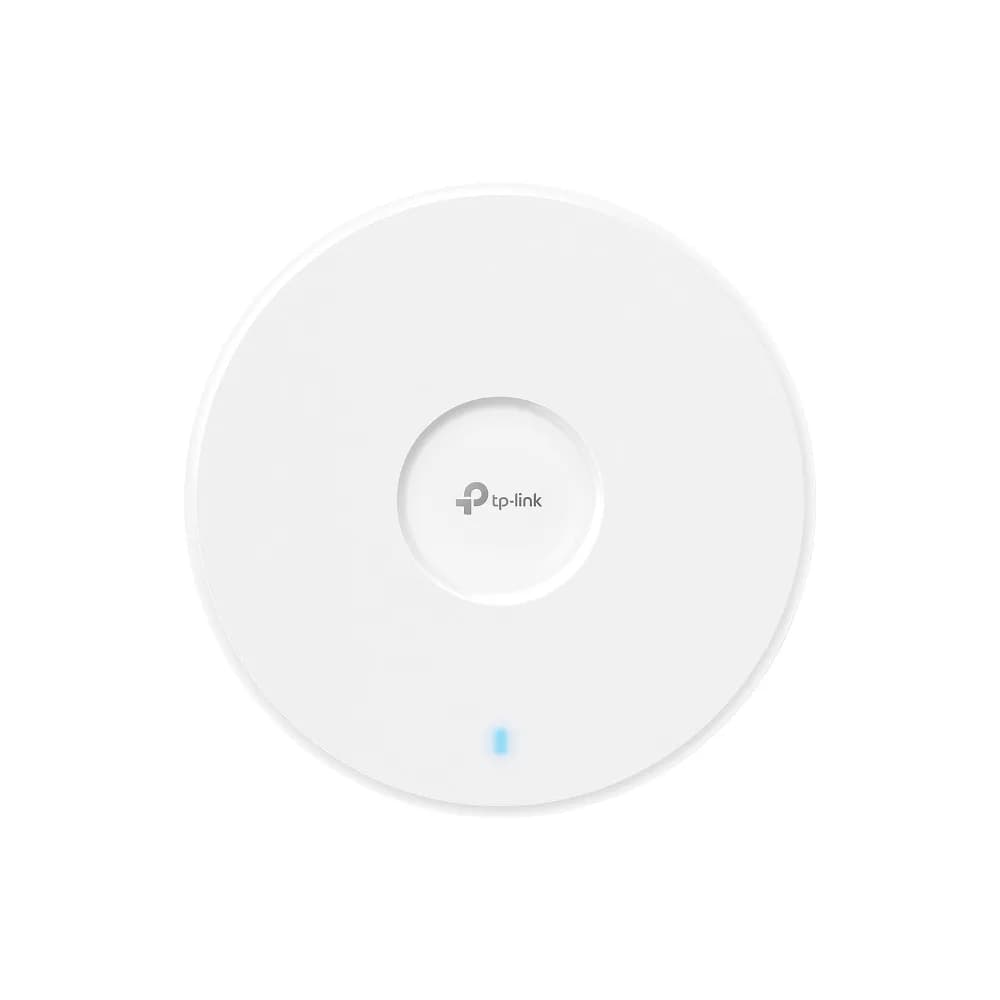
TP-Link Omada EAP723

TP-Link Omada EAP723

6.6/10verdict: buy

The Omada EAP723 is for buyers who want a Wi-Fi 7 access point managed through Omada tools. It suits buyers who already have PoE+ switching and want the easy deployment and low price that owners report. It is not aimed at anyone who needs a 6 GHz band.

Typically about £84.97 in the UK when we researched itCheck price at Amazon UK (opens in a new tab, affiliate link)

Affiliate link. As an Amazon Associate I earn from qualifying purchases. Details

Scores, criterion by criterion

CriterionWeightTP-Link EAP110TP-Link Omada EAP723
Wi-Fi standard and bands25%2/106/10
Uplink and power20%3/108/10
Management20%8/107/10
Software and security20%4/105/10
Value15%3/107/10
Overall4.0/106.6/10

Specifications

SpecTP-Link EAP110TP-Link Omada EAP723
Wi-Fi standard802.11b/g/n (Wi-Fi 4), up to 300 MbpsIEEE 802.11 a/b/g/n/ac/ax/be (Wi-Fi 7)
Bands and speed class2.4 GHz only (2.4-2.4835 GHz)Dual-band (2.4 GHz + 5 GHz); no 6 GHz radio
Uplink port1 x Fast Ethernet (RJ-45), 10/100 Mbps1x 2.5G Ethernet port
Power (PoE class)24V passive PoE; maximum power consumption 2.8 W802.3at PoE (PoE+), or 12V/1.5A DC (adapter not included)
ManagementOmada hardware or software controller, web UI over HTTP/HTTPS; cloud access via OC300, OC200 or software controllerOmada App; Omada Cloud-Based Controller, Omada Hardware Controller or Omada Software Controller; web-based management; SNMP v1/v2c/v3; local/remote syslog
MountingCeiling or wall mounting, kits includedCeiling / Wall / Junction Box mounting (kits included)

Strengths and weaknesses

TP-Link EAP110

  • + Omada controller support with web UI and cloud access
  • + Up to 8 SSIDs with SSID-to-VLAN mapping
  • + Client wireless isolation, MAC filtering and RADIUS listed
  • − 2.4 GHz only, Wi-Fi 4, 300 Mbps maximum
  • − Fast Ethernet uplink limited to 100 Mbps
  • − WPA3 absent from the security list

Skip it if:

  • Anyone who needs a 5 GHz band or speeds beyond 300 Mbps
  • Buyers who require WPA3 on their wireless network
  • Sites that want a gigabit or faster wired uplink
Read the full TP-Link EAP110 review ›

TP-Link Omada EAP723

  • + Wi-Fi 7 with a 2.5G Ethernet uplink
  • + Standard 802.3at PoE+ power
  • + Owners report low price and easy setup
  • − Dual-band only, with no 6 GHz radio
  • − Owners describe Wi-Fi 7 performance as modest
  • − Power adapter not included for DC use

Skip it if:

  • Buyers who need a 6 GHz radio for client capacity
  • Anyone who needs confirmed guest isolation or VLAN-tagged SSID support
  • Buyers without PoE+ switching who don't want to buy a DC adapter
Read the full TP-Link Omada EAP723 review ›

More comparisons

Compare all Wi-Fi access points · Best Wi-Fi access points