Skip to content
sudopicks
esc

TP-Link EAP110 vs TP-Link EAP610

Researched, not hands-on tested.How we review ›

all judged against Wi-Fi access points at a similar price

The TP-Link EAP610 scores 6.4/10 overall, ahead of the TP-Link EAP110 at 4.0/10.

The TP-Link EAP110 leads on management.

The TP-Link EAP610 leads on wi-Fi standard and bands, uplink and power, software and security and value.

The biggest difference is wi-Fi standard and bands, where the TP-Link EAP610 scores 6/10 to the TP-Link EAP110's 2/10.

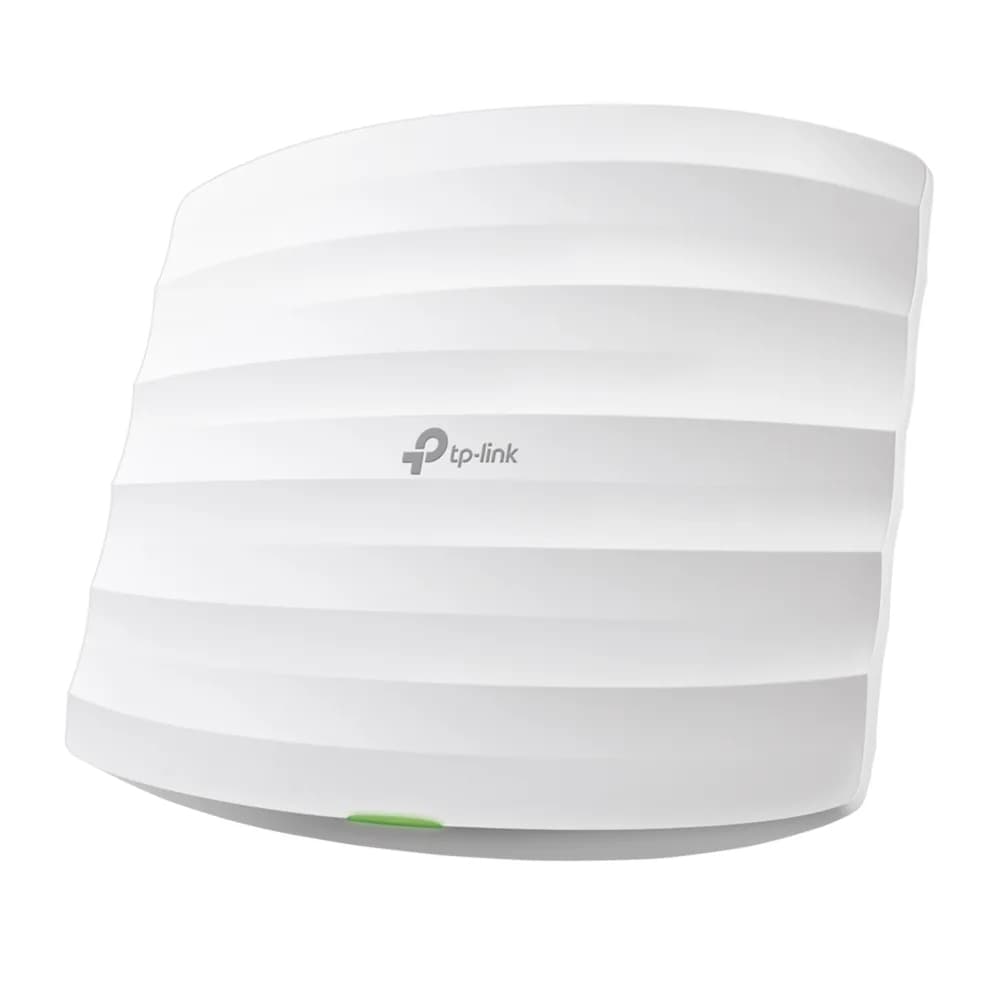
TP-Link EAP110

TP-Link EAP110

4.0/10verdict: skip

The TP-Link EAP110 is for small sites that want Omada-managed Wi-Fi with VLAN-tagged SSIDs and have modest wireless needs. It suits light jobs such as a guest or IoT network, where 2.4 GHz at up to 300 Mbps is enough. It does not suit anyone who needs 5 GHz, WPA3 or a faster wired link.

Typically about £38.35 in the UK when we researched itCheck price at Amazon UK (opens in a new tab, affiliate link)

Affiliate link. As an Amazon Associate I earn from qualifying purchases. Details
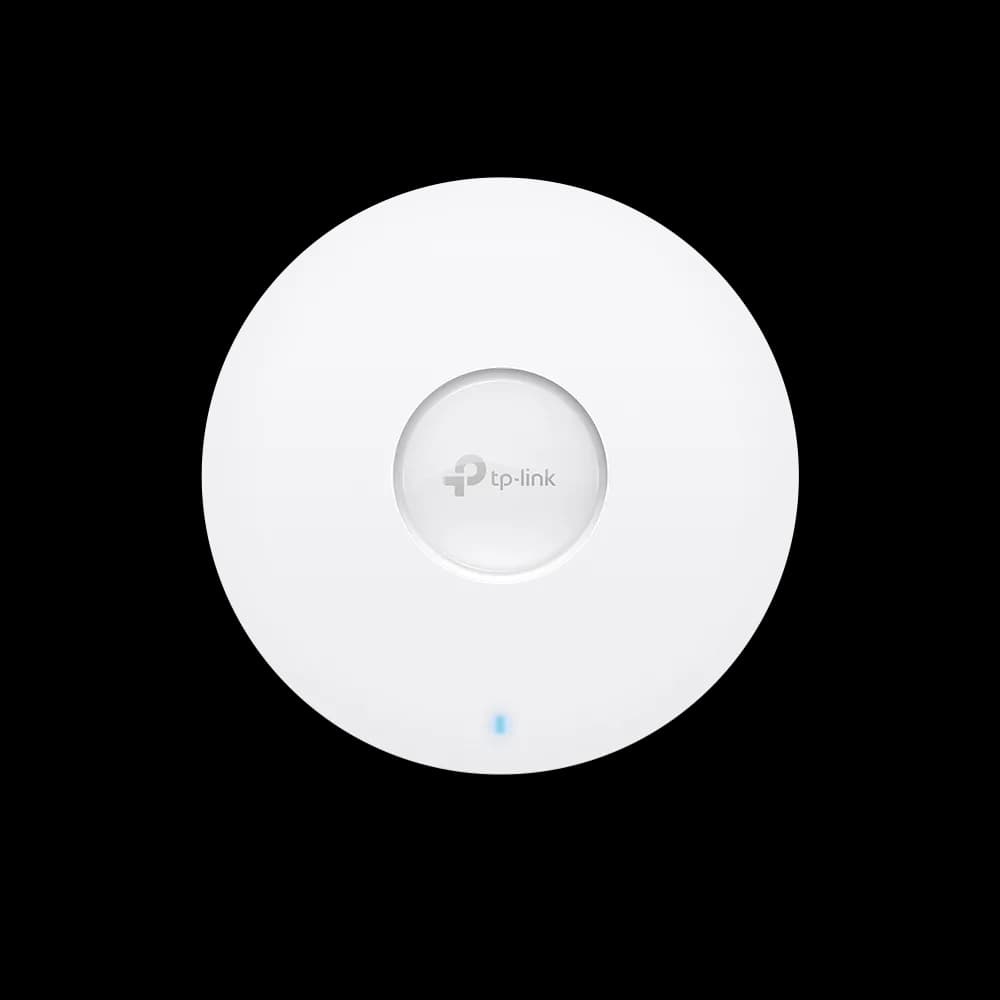
TP-Link EAP610

TP-Link EAP610

6.4/10verdict: good, not the best

The TP-Link EAP610 is a ceiling or wall-mounted Wi-Fi 6 access point for homelabbers and small offices that want VLAN support and controller management. It suits people already running, or planning to run, an Omada controller. It makes less sense for anyone who wants 6 GHz or a multi-gig uplink.

Typically about £86.39 in the UK when we researched itCheck price at Amazon UK (opens in a new tab, affiliate link)

Affiliate link. As an Amazon Associate I earn from qualifying purchases. Details

Scores, criterion by criterion

CriterionWeightTP-Link EAP110TP-Link EAP610
Wi-Fi standard and bands25%2/106/10
Uplink and power20%3/106/10
Management20%8/107/10
Software and security20%4/107/10
Value15%3/106/10
Overall4.0/106.4/10

Specifications

SpecTP-Link EAP110TP-Link EAP610
Wi-Fi standard802.11b/g/n (Wi-Fi 4), up to 300 MbpsWi-Fi 6 (802.11ax), backward compatible with 802.11ac/n/g/b/a
Bands and speed class2.4 GHz only (2.4-2.4835 GHz)Dual-band 2.4 GHz and 5 GHz, AX1800 class (574 Mbps on 2.4 GHz + 1201 Mbps on 5 GHz)
Uplink port1 x Fast Ethernet (RJ-45), 10/100 Mbps1× Gigabit Ethernet (RJ-45) port, supports 802.3at PoE and passive PoE
Power (PoE class)24V passive PoE; maximum power consumption 2.8 W802.3at PoE+, 48 V passive PoE, 12 V / 1.5 A DC input
ManagementOmada hardware or software controller, web UI over HTTP/HTTPS; cloud access via OC300, OC200 or software controllerLocal web UI (HTTP/HTTPS) or Omada cloud controller via web UI or Omada app; Omada hardware controllers OC200/OC300 and software controller; cloud controller not supported on V3
MountingCeiling or wall mounting, kits includedCeiling or wall mount with mounting kit included

Strengths and weaknesses

TP-Link EAP110

  • + Omada controller support with web UI and cloud access
  • + Up to 8 SSIDs with SSID-to-VLAN mapping
  • + Client wireless isolation, MAC filtering and RADIUS listed
  • − 2.4 GHz only, Wi-Fi 4, 300 Mbps maximum
  • − Fast Ethernet uplink limited to 100 Mbps
  • − WPA3 absent from the security list

Skip it if:

  • Anyone who needs a 5 GHz band or speeds beyond 300 Mbps
  • Buyers who require WPA3 on their wireless network
  • Sites that want a gigabit or faster wired uplink
Read the full TP-Link EAP110 review ›

TP-Link EAP610

  • + Local web UI or Omada controller management
  • + WPA3, client isolation, ACL and VLAN support
  • + 802.3at PoE+, passive PoE or 12 V DC power
  • − Gigabit uplink only
  • − Dual-band; no 6 GHz
  • − Cloud controller not supported on V3 hardware

Skip it if:

  • Buyers who want a 6 GHz band or Wi-Fi 7.
  • Anyone who needs a multi-gig uplink from the access point.
  • Owners of thick-walled homes who expect one unit to cover every room on 5 GHz.
Read the full TP-Link EAP610 review ›

More comparisons

Compare all Wi-Fi access points · Best Wi-Fi access points