Skip to content
sudopicks
esc

BenQ RD320UA vs MSI PRO MP251 E14L

Researched, not hands-on tested.How we review ›

all judged against monitors at a similar price

The BenQ RD320UA scores 7.1/10 overall, ahead of the MSI PRO MP251 E14L at 4.9/10.

The BenQ RD320UA leads on sharpness for text, connectivity and docking and ergonomics.

The MSI PRO MP251 E14L leads on refresh rate and motion and build and warranty.

They score the same on panel quality.

The biggest difference is connectivity and docking, where the BenQ RD320UA scores 9/10 to the MSI PRO MP251 E14L's 3/10.

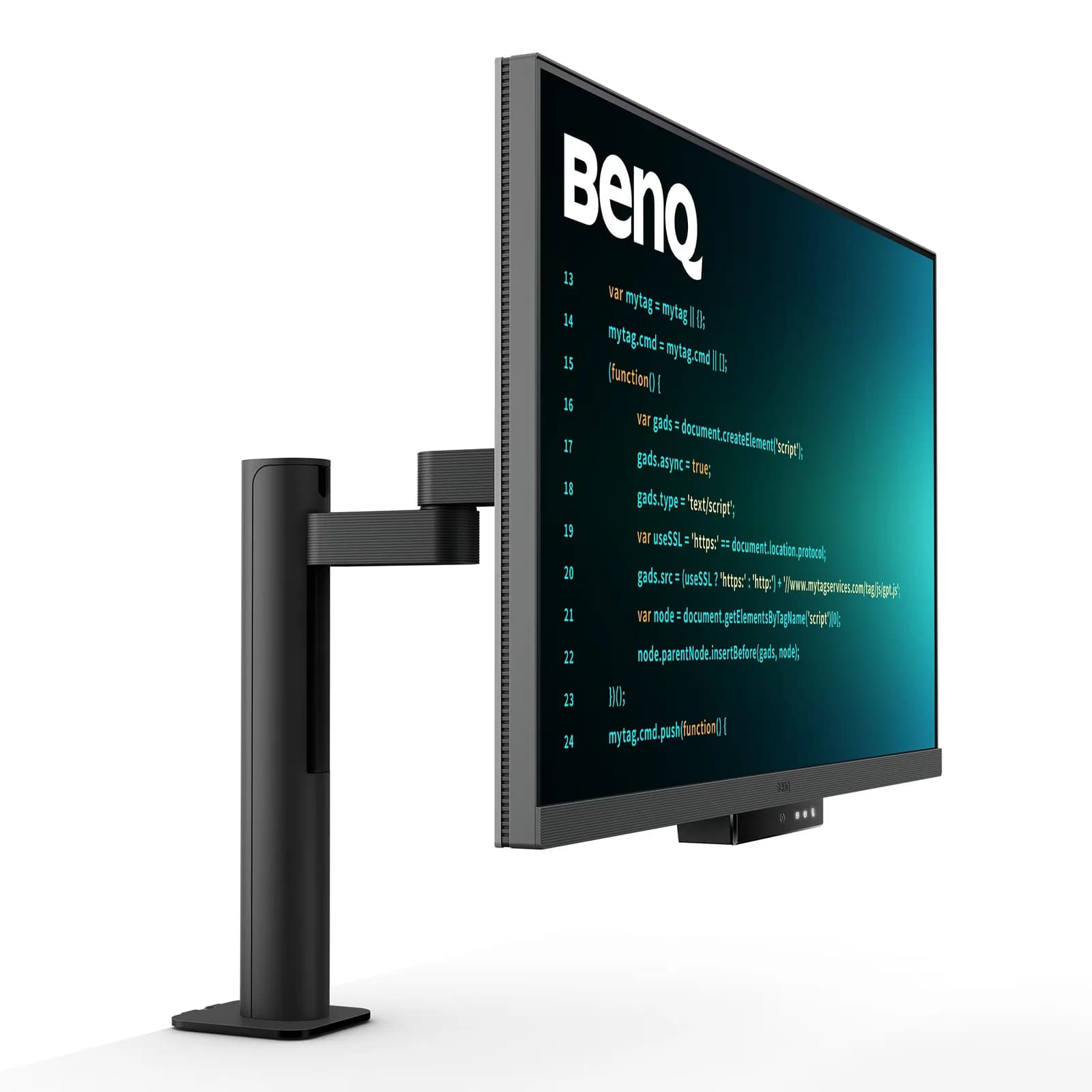
BenQ RD320UA

BenQ RD320UA

7.1/10verdict: buy

The BenQ RD320UA is for people who want a large 4K IPS screen that docks a laptop over a single USB-C cable. It suits desks that share the monitor between two computers, thanks to the built-in KVM and 90W USB-C. It is a weaker fit for anyone who wants high refresh rates or convincing HDR.

Typically about £699.99 in the UK when we researched itSearch Amazon UK (opens in a new tab, affiliate link)

Affiliate link. As an Amazon Associate I earn from qualifying purchases. Details
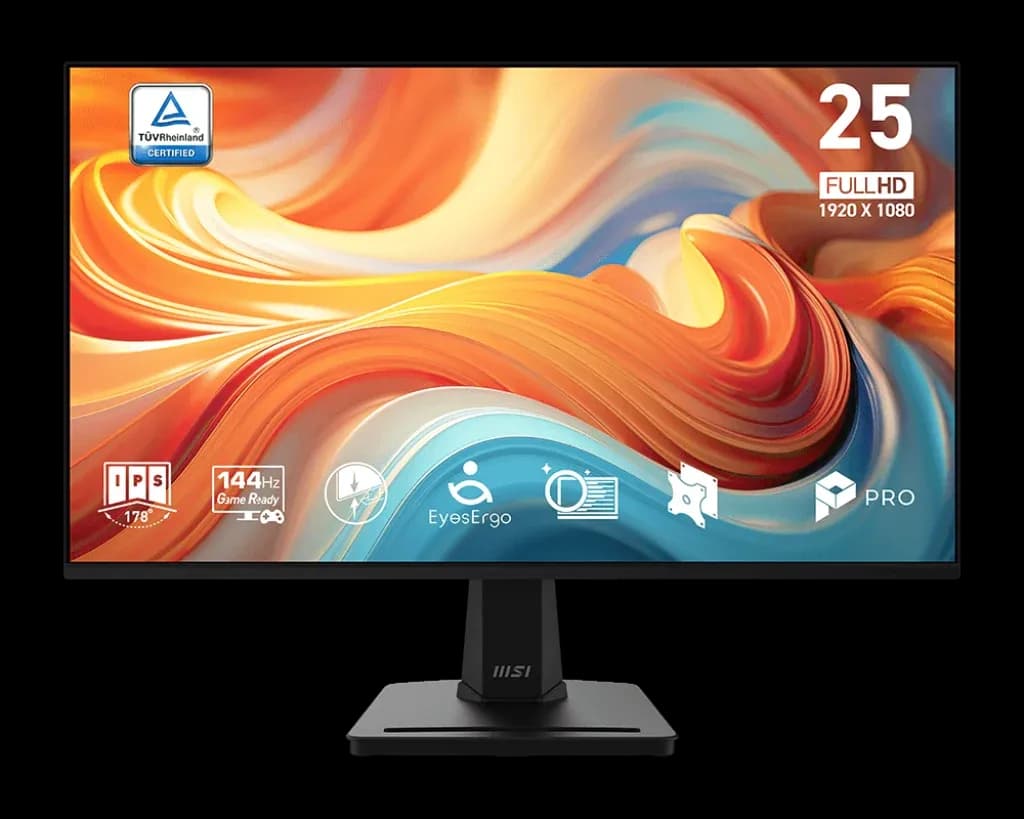
MSI PRO MP251 E14L

MSI PRO MP251 E14L

4.9/10verdict: skip

The MSI PRO MP251 E14L is a 24.5 inch 1080p IPS monitor with a 144Hz refresh rate. It suits buyers who want a fast second or main screen and will connect it over HDMI. It is less suited to anyone who needs a sharper picture, USB-C, DisplayPort or a flexible stand.

Typically about £68.99 in the UK when we researched itCheck price at Amazon UK (opens in a new tab, affiliate link)

Affiliate link. As an Amazon Associate I earn from qualifying purchases. Details

Scores, criterion by criterion

CriterionWeightBenQ RD320UAMSI PRO MP251 E14L
Panel quality25%7/107/10
Sharpness for text20%7/103/10
Connectivity and docking20%9/103/10
Ergonomics15%8/103/10
Refresh rate and motion10%4/109/10
Build and warranty10%5/106/10
Overall7.1/104.9/10

Specifications

SpecBenQ RD320UAMSI PRO MP251 E14L
Screen size31.5 inch24.5 inch
Resolution3840x2160 max1920 x 1080 (FHD), 16:9
Panel typeIPSIPS, flat, anti-glare, 8-bit (6-bit + FRC), 178° / 178° viewing angles
Refresh rate60 Hz; 5 ms GtG response time144Hz; Adaptive-Sync / FreeSync 48-144Hz; 1ms MPRT / 4ms GtG
Inputs and USB-CUSB-C with 90W Power Delivery, DisplayPort Alt Mode and data; USB Type-A downstream; two USB-C downstream ports at 10 Gbps; built-in KVM; HDMI and DisplayPort video inputs1 x HDMI 1.4b (FHD@144Hz), 1 x D-Sub (VGA)
Stand adjustmentErgo Arm with height, tilt, swivel and pivotTilt -5° to 20°; no height, swivel or pivot adjustment; VESA 100 x 100 mm
HDRHDR10 and VESA DisplayHDR 400Not supported (HDR SUPPORT: N/A); 300 cd/m² SDR brightness

Strengths and weaknesses

BenQ RD320UA

  • + USB-C with 90W Power Delivery and built-in KVM
  • + Anti-glare Nano Matte finish praised by owners
  • + Flexible Ergo Arm with height, tilt, swivel and pivot
  • − Only 60 Hz refresh rate
  • − HDR performance described as weak by owners
  • − Owners report plastic build and difficult setup

Skip it if:

  • Gamers who want a refresh rate above 60 Hz
  • Buyers who want convincing HDR for video or games
  • Anyone who wants a metal-feel build and an easy setup
Read the full BenQ RD320UA review ›

MSI PRO MP251 E14L

  • + 144Hz refresh with FreeSync range of 48-144Hz
  • + IPS panel with 99% sRGB coverage
  • + Three-year warranty
  • − Only HDMI 1.4b and VGA inputs
  • − Tilt-only stand with no height adjustment
  • − About 90 PPI is soft for text

Skip it if:

  • Anyone who wants USB-C or DisplayPort connections, or one-cable laptop docking
  • Developers and writers who want sharp text from a higher pixel density
  • Buyers who need height, swivel or pivot adjustment without adding a VESA arm
Read the full MSI PRO MP251 E14L review ›

More comparisons

Compare all monitors · Best monitors