Skip to content
sudopicks
esc

Raspberry Pi 3 Model A+ vs IceWhale ZimaBoard 2

Researched, not hands-on tested.How we review ›

all judged against single-board computers at a similar price

The Raspberry Pi 3 Model A+ scores 6.5/10 overall, ahead of the IceWhale ZimaBoard 2 at 6.3/10.

The Raspberry Pi 3 Model A+ leads on software support and value.

The IceWhale ZimaBoard 2 leads on performance, storage and I/O and networking.

The biggest difference is software support, where the Raspberry Pi 3 Model A+ scores 10/10 to the IceWhale ZimaBoard 2's 5/10.

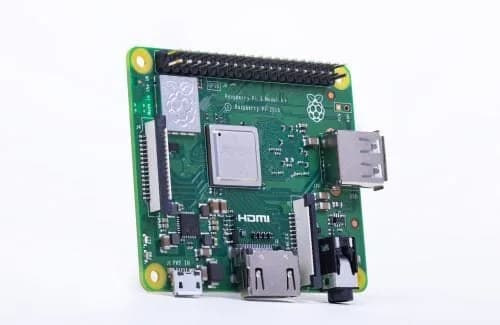
Raspberry Pi 3 Model A+

Raspberry Pi 3 Model A+

6.5/10verdict: good, not the best

The Raspberry Pi 3 Model A+ is for people who want a small, low-power board for a single, light job. It suits wireless projects that use the 40-pin GPIO header, a display or a camera. It is a poor fit for anyone who needs wired networking, several USB devices or much memory.

Typically about £22.86 in the UK when we researched itCheck price at Amazon UK (opens in a new tab, affiliate link)

Affiliate link. As an Amazon Associate I earn from qualifying purchases. Details
ZimaBoard 2

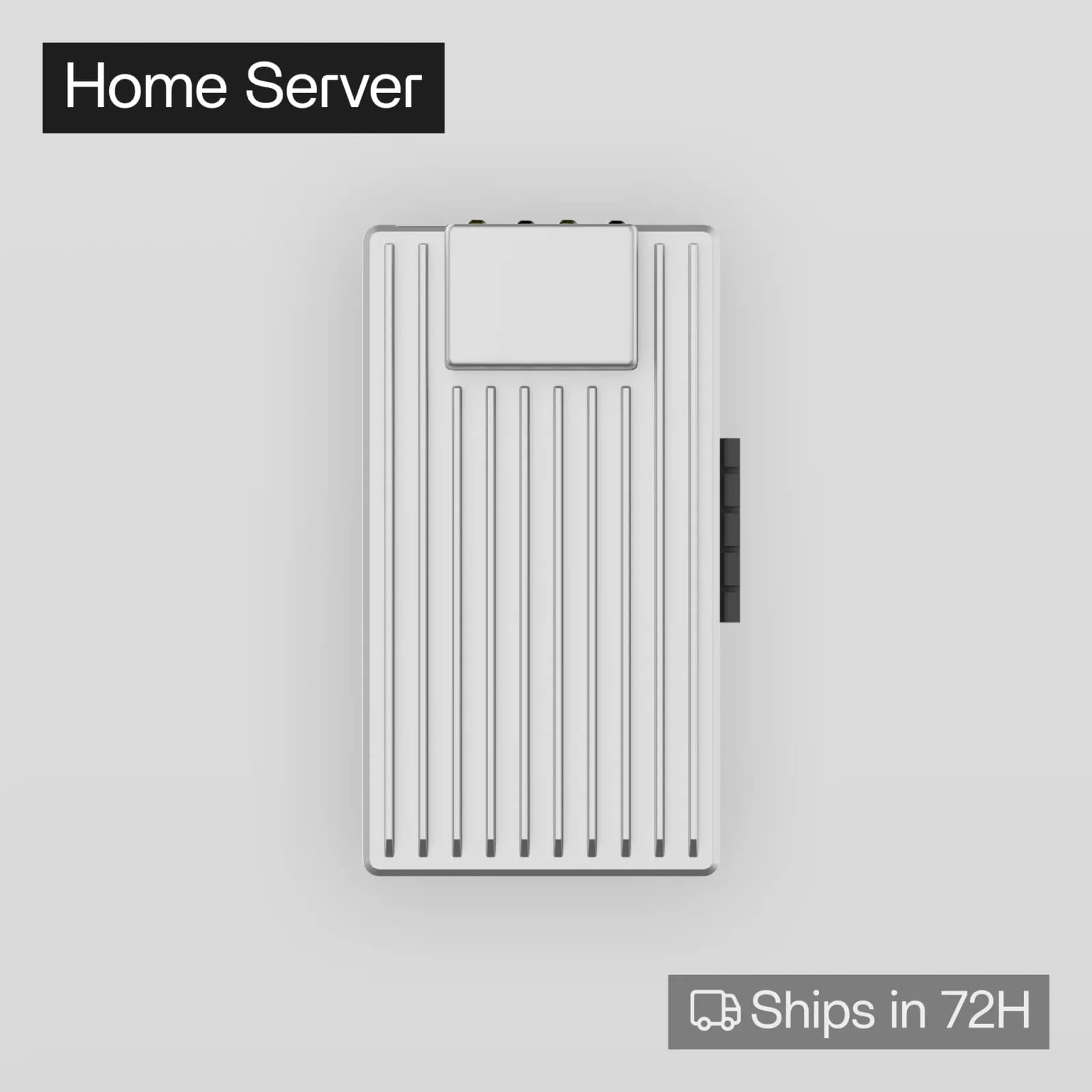
IceWhale ZimaBoard 2

6.3/10verdict: good, not the best

The ZimaBoard 2 is for homelabbers who want a compact x86 board for a small NAS or Docker host. It offers an Intel N150, dual 2.5GbE and two SATA ports, with 8GB or 16GB of soldered RAM. It suits people who value low power draw and quiet running over upgradeability.

Typically about £288.89 in the UK when we researched itCheck price at Amazon UK (opens in a new tab, affiliate link)

Affiliate link. As an Amazon Associate I earn from qualifying purchases. Details

Scores, criterion by criterion

CriterionWeightRaspberry Pi 3 Model A+IceWhale ZimaBoard 2
Software support30%10/105/10
Performance25%5/107/10
Storage15%4/107/10
I/O and networking15%5/108/10
Value15%6/105/10
Overall6.5/106.3/10

Specifications

SpecRaspberry Pi 3 Model A+IceWhale ZimaBoard 2
Processor (SoC)Broadcom BCM2837B0, quad-core Cortex-A53 64-bit SoC at 1.4 GHzIntel N150 (4 cores, 4 threads, up to 3.6GHz)
Memory512MB LPDDR2 SDRAM8GB (832) or 16GB (1664) LPDDR5 4800 MHz, soldered and not upgradable
Storage optionsMicro SD card slot for OS and data; no onboard eMMC or M.2/NVMe connector found in sources32GB (832) or 64GB (1664) onboard eMMC; two SATA 6Gbps ports
Networking2.4GHz and 5GHz 802.11b/g/n/ac wireless LAN, Bluetooth 4.2/BLE; no Ethernet portDual 2.5GbE
GPIOExtended 40-pin GPIO headernot listed
Video outputsOne full-size HDMI port, DSI display port, CSI camera port, 4-pole stereo/composite portOne Mini DisplayPort 1.4, up to 4K at 60Hz
Power input5V/2.5A DC via micro USB, or 5V DC via GPIO header12V DC barrel input, 60W adapter

Strengths and weaknesses

Raspberry Pi 3 Model A+

  • + Compact board with low idle power draw
  • + Dual-band Wi-Fi and Bluetooth 4.2 built in
  • + Extended 40-pin GPIO header plus HDMI, DSI and CSI ports
  • − No Ethernet port; wireless networking only
  • − Single USB 2.0 port limits peripherals
  • − 512MB RAM and micro SD only

Skip it if:

  • Anyone who needs a wired Ethernet connection for a server or network appliance
  • Buyers who plan to run heavier apps or several services at once
  • People who need more than one USB port or storage beyond a micro SD card
Read the full Raspberry Pi 3 Model A+ review ›

IceWhale ZimaBoard 2

  • + Dual 2.5GbE with about 275 to 280 MB/s reported real-world
  • + Low idle power draw, and silent without the fan
  • + Two SATA 6Gbps ports plus a PCIe 3.0 x2 lane
  • − RAM and eMMC are soldered and cannot be upgraded
  • − Throttling and 90s C package temperatures in passive tests
  • − UK buyers can only pay in US dollars on Zima's store

Skip it if:

  • Buyers who want to upgrade RAM or onboard storage later
  • Anyone planning sustained heavy load with passive cooling
  • Projects that need a Raspberry Pi-style GPIO header
Read the full IceWhale ZimaBoard 2 review ›

More comparisons

Compare all single-board computers · Best single-board computers