Skip to content
sudopicks
esc

TP-Link Deco E4 (3-pack) vs TP-Link Deco XE75

Researched, not hands-on tested.How we review ›

all judged against Wi-Fi routers and mesh systems at a similar price

The TP-Link Deco XE75 scores 5.4/10 overall, ahead of the TP-Link Deco E4 (3-pack) at 4.6/10.

The TP-Link Deco E4 (3-pack) leads on software and security and value.

The TP-Link Deco XE75 leads on wi-Fi standard and bands and wired ports.

They score the same on coverage.

The biggest difference is wi-Fi standard and bands, where the TP-Link Deco XE75 scores 7/10 to the TP-Link Deco E4 (3-pack)'s 4/10.

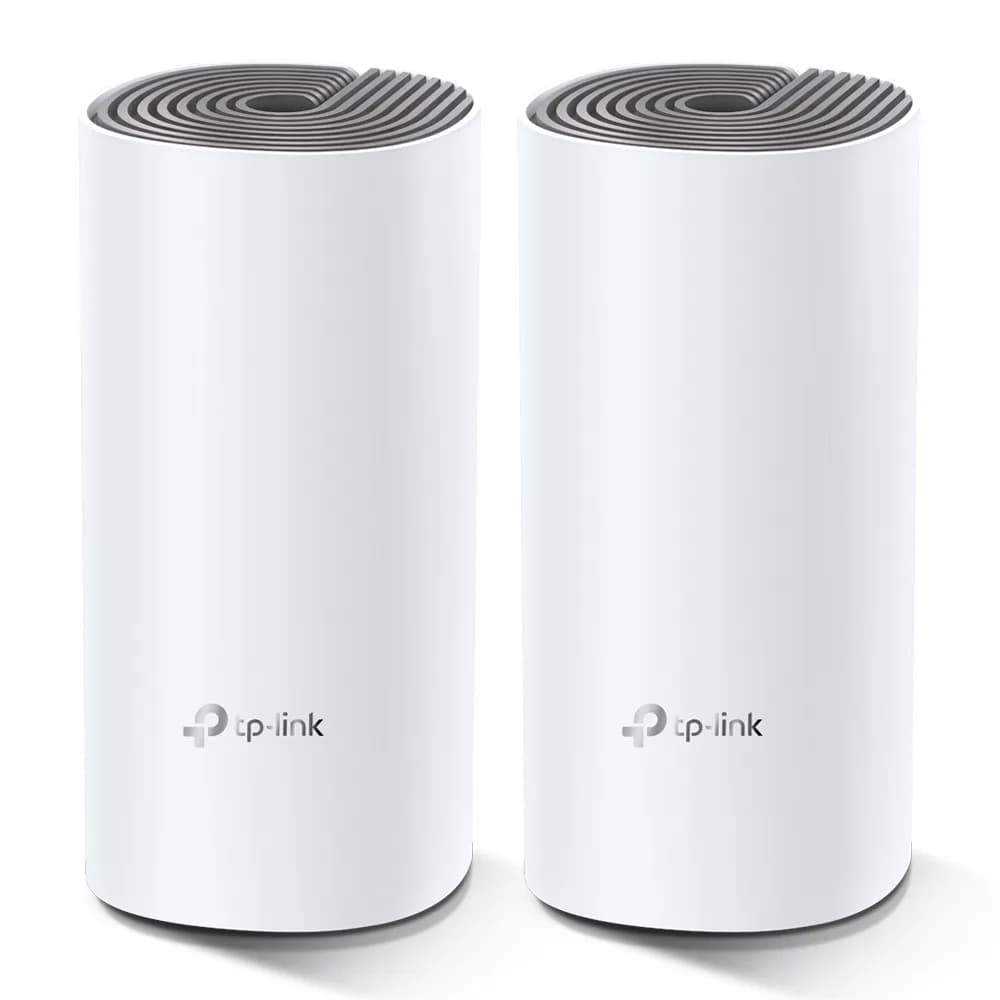
TP-Link Deco E4 (3-pack)

TP-Link Deco E4 (3-pack)

4.6/10verdict: skip

The Deco E4 3-pack is for households that want Wi-Fi spread across a large home from three units on a broadband line of modest speed. It suits people who mostly connect over Wi-Fi and have few wired devices. It is a poor fit for anyone who wants gigabit wired ports, Wi-Fi 6 or a built-in VPN server.

Typically about £109 in the UK when we researched itCheck price at Amazon UK (opens in a new tab, affiliate link)

Affiliate link. As an Amazon Associate I earn from qualifying purchases. Details
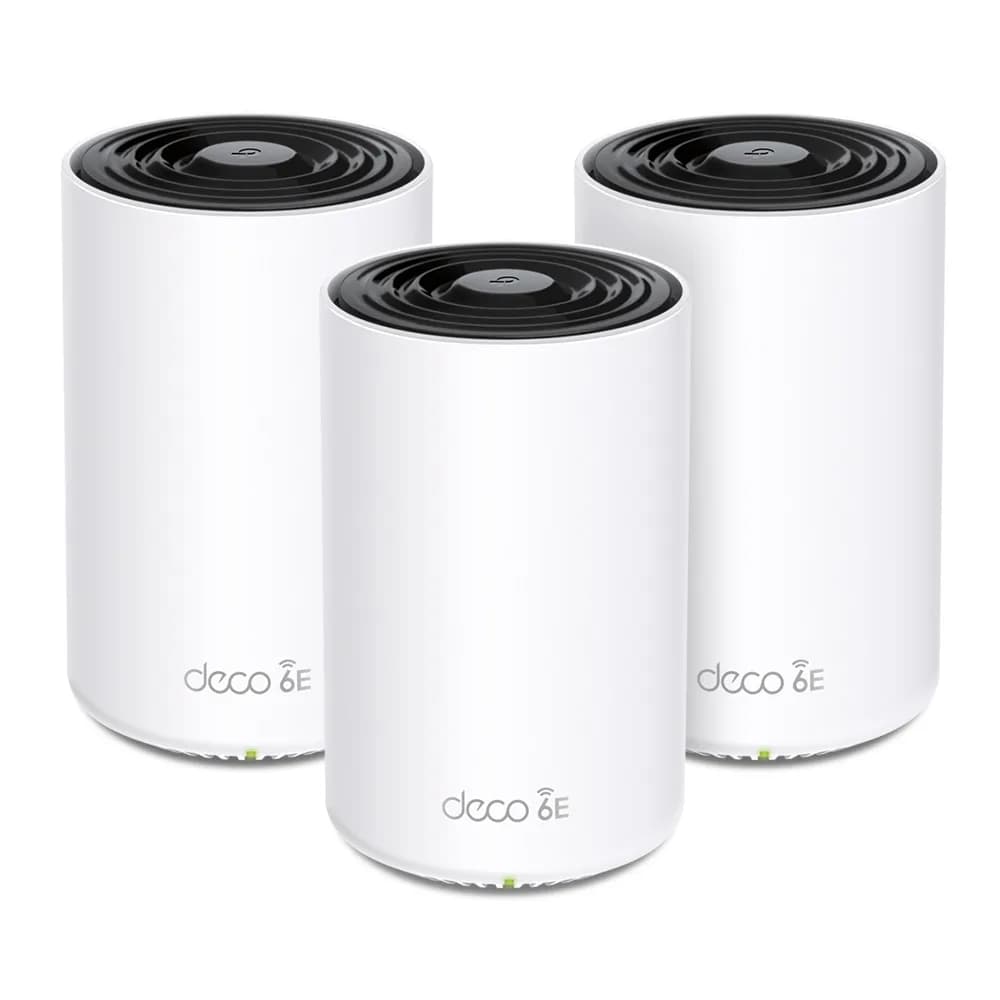
TP-Link Deco XE75

TP-Link Deco XE75

5.4/10verdict: good, not the best

The Deco XE75 is for households that want a tri-band Wi-Fi 6E mesh covering several floors with little tuning. It suits people who value coverage and fast wireless speeds over wired performance and fine control. It is a weaker fit for anyone who wants multi-gig ports or detailed network management.

Typically about £339.98 in the UK when we researched itCheck price at Amazon UK (opens in a new tab, affiliate link)

Affiliate link. As an Amazon Associate I earn from qualifying purchases. Details

Scores, criterion by criterion

CriterionWeightTP-Link Deco E4 (3-pack)TP-Link Deco XE75
Wi-Fi standard and bands25%4/107/10
Software and security25%5/104/10
Wired ports20%2/104/10
Coverage15%7/107/10
Value15%6/105/10
Overall4.6/105.4/10

Specifications

SpecTP-Link Deco E4 (3-pack)TP-Link Deco XE75
Wi-Fi standardWi-Fi 5 (802.11ac/n/a on 5 GHz, 802.11b/g/n on 2.4 GHz)Wi-Fi 6E (802.11ax)
Bands and speed classDual-band 2.4 GHz and 5 GHz; signal rates 867 Mbps (5 GHz) and 300 Mbps (2.4 GHz)Tri-band 2.4, 5 and 6 GHz; up to 5,400 Mbps combined
WAN port2 x 10/100 Mbps WAN/LAN ports per unit, auto-sensingnot listed
LAN portsNo dedicated LAN port; the two 10/100 Mbps ports on each unit serve as WAN or LAN3 gigabit ports per unit
Mesh nodes in the box31, 2 or 3 units depending on pack
Rated coverageUp to 4,000 sq ft for the 3-pack (test-based, not guaranteed)Up to 7,200 ft² (rated)
Security and VPN featuresSPI firewall, WPA-PSK/WPA2-PSK (no WPA3 listed), guest networks on 2.4 GHz and 5 GHz, parental controls, QoS, port forwarding, VLAN, IPv6; no VPN server listedWPA/WPA2-PSK/WPA3 encryption, HomeShield, parental controls, QoS

Strengths and weaknesses

TP-Link Deco E4 (3-pack)

  • + Three units rated for up to 4,000 sq ft
  • + Guest networks on both bands, plus VLAN and QoS
  • + High retailer ratings from owners
  • − Ethernet ports are 10/100 Mbps only
  • − Wi-Fi 5 dual-band, with no WPA3 listed
  • − No VPN server listed

Skip it if:

  • Buyers with wired NAS, servers or desktops who need gigabit Ethernet
  • Anyone who wants Wi-Fi 6 or newer for a fast broadband line
  • Users who need WPA3 or a built-in VPN server
Read the full TP-Link Deco E4 (3-pack) review ›

TP-Link Deco XE75

  • + Tri-band Wi-Fi 6E with a 6 GHz band
  • + Rated coverage up to 7,200 ft²
  • + Owners praise fast speeds and multi-storey reach
  • − Only gigabit ports, three per unit
  • − Drops and reboots needing a power cycle are common
  • − Limited controls and some troublesome firmware updates

Skip it if:

  • Buyers who want 2.5GbE or faster wired ports
  • Homelabbers who need detailed traffic control and manual channel selection
  • Anyone who needs a hands-off network with no resets or firmware risk
Read the full TP-Link Deco XE75 review ›

More comparisons

Compare all Wi-Fi routers and mesh systems · Best Wi-Fi routers and mesh systems