Skip to content
sudopicks
esc

eero Pro 6E vs TP-Link Deco XE75

Researched, not hands-on tested.How we review ›

all judged against Wi-Fi routers and mesh systems at a similar price

The eero Pro 6E and TP-Link Deco XE75 both score 5.4/10 overall.

The eero Pro 6E leads on software and security.

The TP-Link Deco XE75 leads on coverage.

They score the same on wi-Fi standard and bands, wired ports and value.

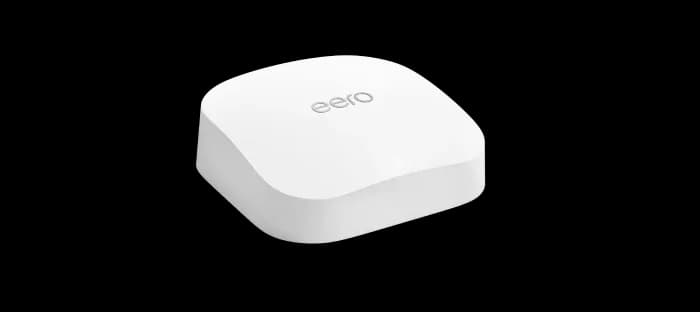
eero Pro 6E

eero Pro 6E

5.4/10verdict: good, not the best

The eero Pro 6E is for households that want a tri-band Wi-Fi 6E mesh system. It suits people with a modest number of wired devices and a single fast line into the home. It is a weaker fit for anyone who wants a VPN server, many Ethernet ports or a documented VLAN setup.

Typically about £336.99 in the UK when we researched itCheck price at Amazon UK (opens in a new tab, affiliate link)

Affiliate link. As an Amazon Associate I earn from qualifying purchases. Details
TP-Link Deco XE75

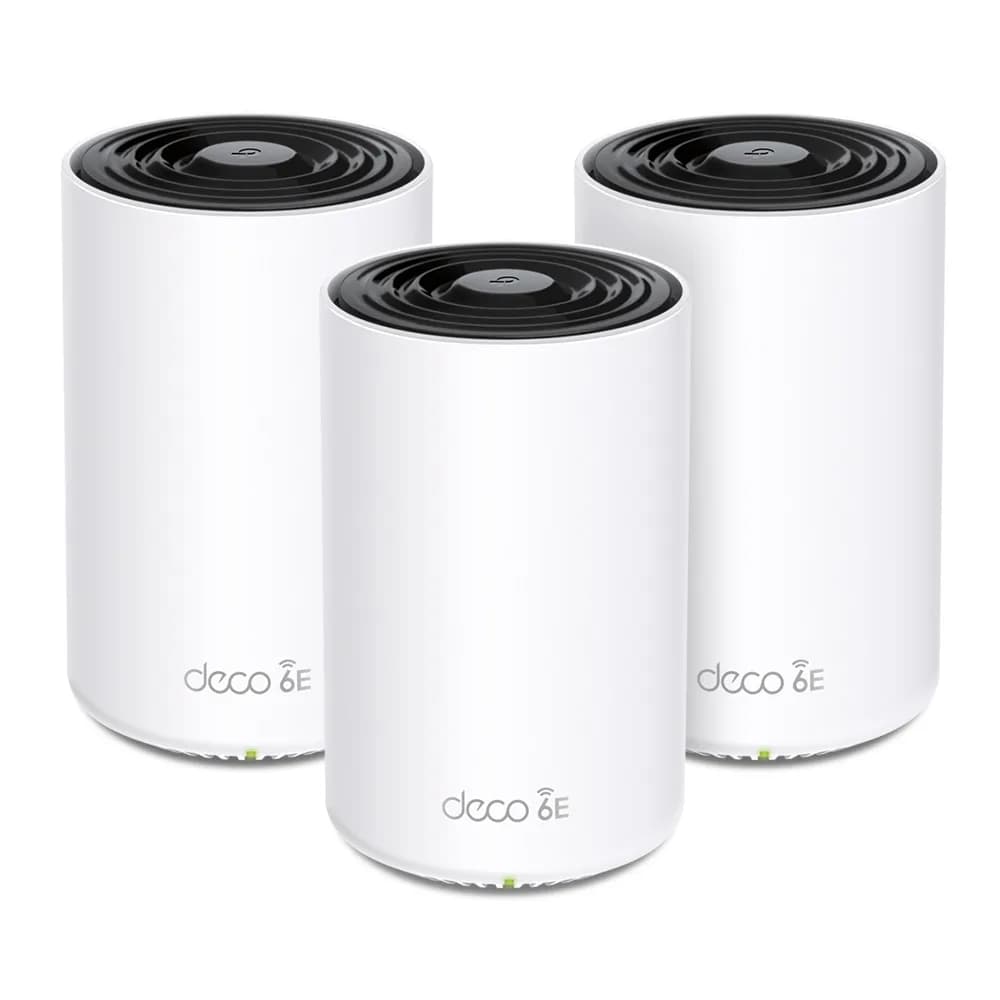
TP-Link Deco XE75

5.4/10verdict: good, not the best

The Deco XE75 is for households that want a tri-band Wi-Fi 6E mesh covering several floors with little tuning. It suits people who value coverage and fast wireless speeds over wired performance and fine control. It is a weaker fit for anyone who wants multi-gig ports or detailed network management.

Typically about £339.98 in the UK when we researched itCheck price at Amazon UK (opens in a new tab, affiliate link)

Affiliate link. As an Amazon Associate I earn from qualifying purchases. Details

Scores, criterion by criterion

CriterionWeighteero Pro 6ETP-Link Deco XE75
Wi-Fi standard and bands25%7/107/10
Software and security25%5/104/10
Wired ports20%4/104/10
Coverage15%6/107/10
Value15%5/105/10
Overall5.4/105.4/10

Specifications

Speceero Pro 6ETP-Link Deco XE75
Wi-Fi standardWi-Fi 6E tri-band 802.11ax, 2:2:2, with 160 MHz channels in 5 GHz and 6 GHzWi-Fi 6E (802.11ax)
Bands and speed class2.4 GHz, 5 GHz and 6 GHzTri-band 2.4, 5 and 6 GHz; up to 5,400 Mbps combined
WAN port1 x 2.5 GbE auto-sensing (WAN or LAN)not listed
LAN ports1 x Gigabit Ethernet auto-sensing (WAN or LAN)3 gigabit ports per unit
Mesh nodes in the box1, 2 or 3 units depending on pack (1-, 2- and 3-pack)1, 2 or 3 units depending on pack
Rated coverageUp to 2,000 sq ft per unit; up to 6,000 sq ft for a 3-packUp to 7,200 ft² (rated)
Security and VPN featuresProfiles, WPA3, WPA2, TLS v1.2+, VPN passthrough, IPv6, NAT, UPnP, port forwarding, DHCP, static IP, cloud connectivityWPA/WPA2-PSK/WPA3 encryption, HomeShield, parental controls, QoS

Strengths and weaknesses

eero Pro 6E

  • + Tri-band Wi-Fi 6E with 6 GHz and 160 MHz channels
  • + 2.5GbE port that works as either WAN or LAN
  • + Rated up to 6,000 sq ft in a 3-pack
  • − Only two Ethernet ports per unit
  • − VPN passthrough only, no VPN server

Skip it if:

  • Homelabbers who need a built-in VPN server or documented VLANs
  • Buyers with several wired devices who want many LAN ports per unit
  • Anyone whose devices lack 6E support and who wants no 6 GHz band
Read the full eero Pro 6E review ›

TP-Link Deco XE75

  • + Tri-band Wi-Fi 6E with a 6 GHz band
  • + Rated coverage up to 7,200 ft²
  • + Owners praise fast speeds and multi-storey reach
  • − Only gigabit ports, three per unit
  • − Drops and reboots needing a power cycle are common
  • − Limited controls and some troublesome firmware updates

Skip it if:

  • Buyers who want 2.5GbE or faster wired ports
  • Homelabbers who need detailed traffic control and manual channel selection
  • Anyone who needs a hands-off network with no resets or firmware risk
Read the full TP-Link Deco XE75 review ›

More comparisons

Compare all Wi-Fi routers and mesh systems · Best Wi-Fi routers and mesh systems