Skip to content
sudopicks
esc

NETGEAR GS308E vs TP-Link TL-SG1005LP

Researched, not hands-on tested.How we review ›

all judged against network switches at a similar price

The NETGEAR GS308E scores 6.2/10 overall, ahead of the TP-Link TL-SG1005LP at 6.1/10.

The NETGEAR GS308E leads on management.

The TP-Link TL-SG1005LP leads on poE and firmware and support.

They score the same on port speeds, port count and uplinks and noise and efficiency.

NETGEAR GS308E

NETGEAR GS308E

6.2/10verdict: good, not the best

The NETGEAR GS308E is for people who want a small, silent eight-port Gigabit switch with basic VLAN support. It suits homes, bedrooms and desks where a fan would be a nuisance and plug-and-play setup matters. It is a poor fit for anyone who needs PoE, faster than Gigabit ports or deep Layer 3 management.

Typically about £24.97 in the UK when we researched itSearch Amazon UK (opens in a new tab, affiliate link)

Affiliate link. As an Amazon Associate I earn from qualifying purchases. Details
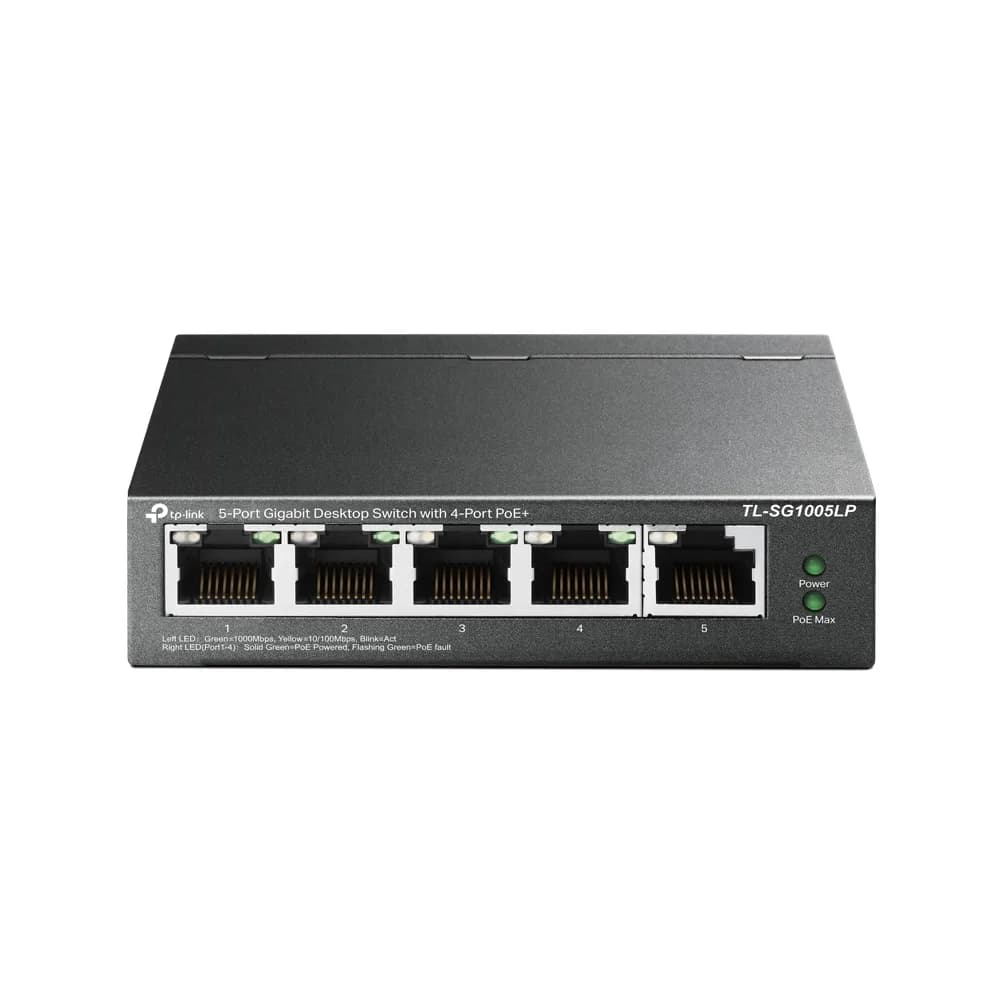
TL-SG1005LP

TP-Link TL-SG1005LP

6.1/10verdict: good, not the best

The TL-SG1005LP is for anyone who wants a small, unmanaged Gigabit switch that also powers a few PoE devices. It suits a desk, shelf or cupboard setup where silence matters and VLANs are not needed. It is less suited to anyone who needs management features, faster ports or fibre uplinks.

Typically about £29.99 in the UK when we researched itCheck price at Amazon UK (opens in a new tab, affiliate link)

Affiliate link. As an Amazon Associate I earn from qualifying purchases. Details

Scores, criterion by criterion

CriterionWeightNETGEAR GS308ETP-Link TL-SG1005LP
Port speeds30%6/106/10
Management20%7/105/10
Port count and uplinks15%5/105/10
Noise and efficiency15%9/109/10
PoE10%5/107/10
Firmware and support10%4/105/10
Overall6.2/106.1/10

Specifications

SpecNETGEAR GS308ETP-Link TL-SG1005LP
Ports8 x Gigabit RJ45, no 10G port5x 10/100/1000 Mbps RJ45; ports 1-4 are PoE+
Port speeds8 x 1G ports, auto-negotiating; no 2.5G or 10G ports10/100/1000 Mbps on all five ports; no 2.5GbE or 10GbE port listed
ManagementWeb-managed Easy Smart interface; VLAN, QoS, cable health check and loop preventionUnmanaged, plug-and-play; no web UI, VLAN or SNMP listed
PoE budgetNone (PoE ports and PoE budget N/A)802.3af/at on ports 1-4, up to 30 W per port, 40 W total budget
Uplinks (SFP/SFP+)not listedNone listed; all five ports are RJ45
Switching capacity16Gbps bandwidthSwitch capacity 10 Gbps; MAC table 2K; packet buffer 1 Mbit; jumbo frame 9 KB (V4) or 16 KB (V3)
CoolingFanless (0 fans, 0 dBA at 25°C)Fanless; max heat dissipation 159.46 BTU/h

Strengths and weaknesses

NETGEAR GS308E

  • + Fanless, with 0 dBA listed
  • + Web-managed with VLAN, QoS and loop prevention
  • + Plug-and-play setup; maximum draw of 3.7W
  • − Gigabit only, with no 2.5G or 10G ports
  • − Owners criticise firmware update frequency and process
  • − Layer 2 only, modest web UI and no mobile app

Skip it if:

  • Buyers who need PoE for access points, cameras or phones
  • Anyone with 2.5GbE or 10GbE devices or who wants SFP uplinks
  • People who need advanced Layer 3 features or a polished management UI
Read the full NETGEAR GS308E review ›

TP-Link TL-SG1005LP

  • + Four PoE+ ports at up to 30 W each
  • + Fanless design
  • + Plug-and-play with no setup
  • − Gigabit only; no 2.5GbE or 10GbE
  • − 40 W total PoE budget is shared
  • − No web UI, VLAN or SNMP

Skip it if:

  • Buyers who need VLANs, a web UI or SNMP monitoring
  • Anyone who needs 2.5GbE, 10GbE or SFP uplinks
  • Buyers whose PoE devices draw more than 40 W combined
Read the full TP-Link TL-SG1005LP review ›

More comparisons

Compare all network switches · Best network switches