Skip to content
sudopicks
esc

TP-Link TL-WA1801 vs UniFi U7 Pro

Researched, not hands-on tested.How we review ›

all judged against Wi-Fi access points at a similar price

The UniFi U7 Pro scores 7.3/10 overall, ahead of the TP-Link TL-WA1801 at 5.3/10.

The TP-Link TL-WA1801 leads on management.

The UniFi U7 Pro leads on wi-Fi standard and bands, uplink and power, software and security and value.

The biggest difference is uplink and power, where the UniFi U7 Pro scores 8/10 to the TP-Link TL-WA1801's 4/10.

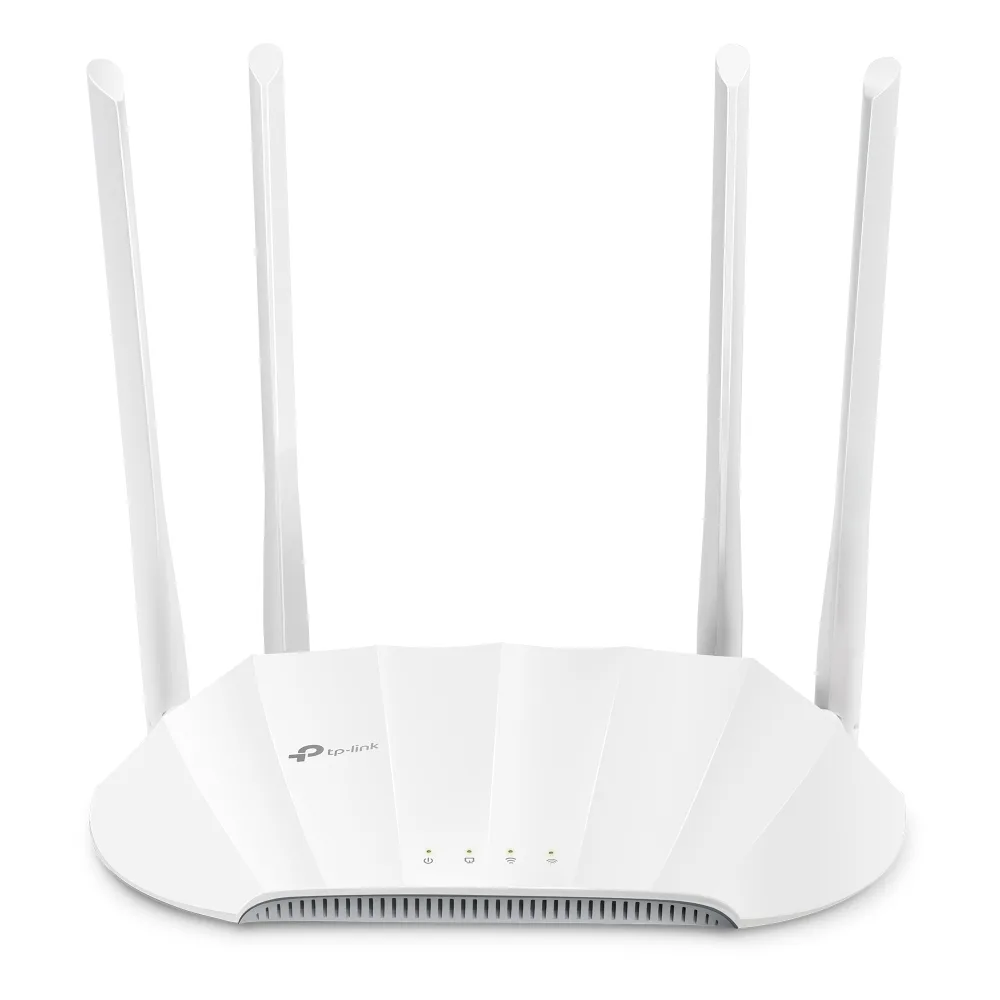
TP-Link TL-WA1801

TP-Link TL-WA1801

5.3/10verdict: good, not the best

The TL-WA1801 is a dual-band Wi-Fi 6 access point for small wired networks that need a few separate SSIDs. It suits home offices, flats and homelabs where VLAN-tagged wireless matters more than 6 GHz or multi-gig speeds. Buyers who need rock-solid stability or a long firmware record should read the owner reports first.

Typically about £67 in the UK when we researched itCheck price at Amazon UK (opens in a new tab, affiliate link)

Affiliate link. As an Amazon Associate I earn from qualifying purchases. Details
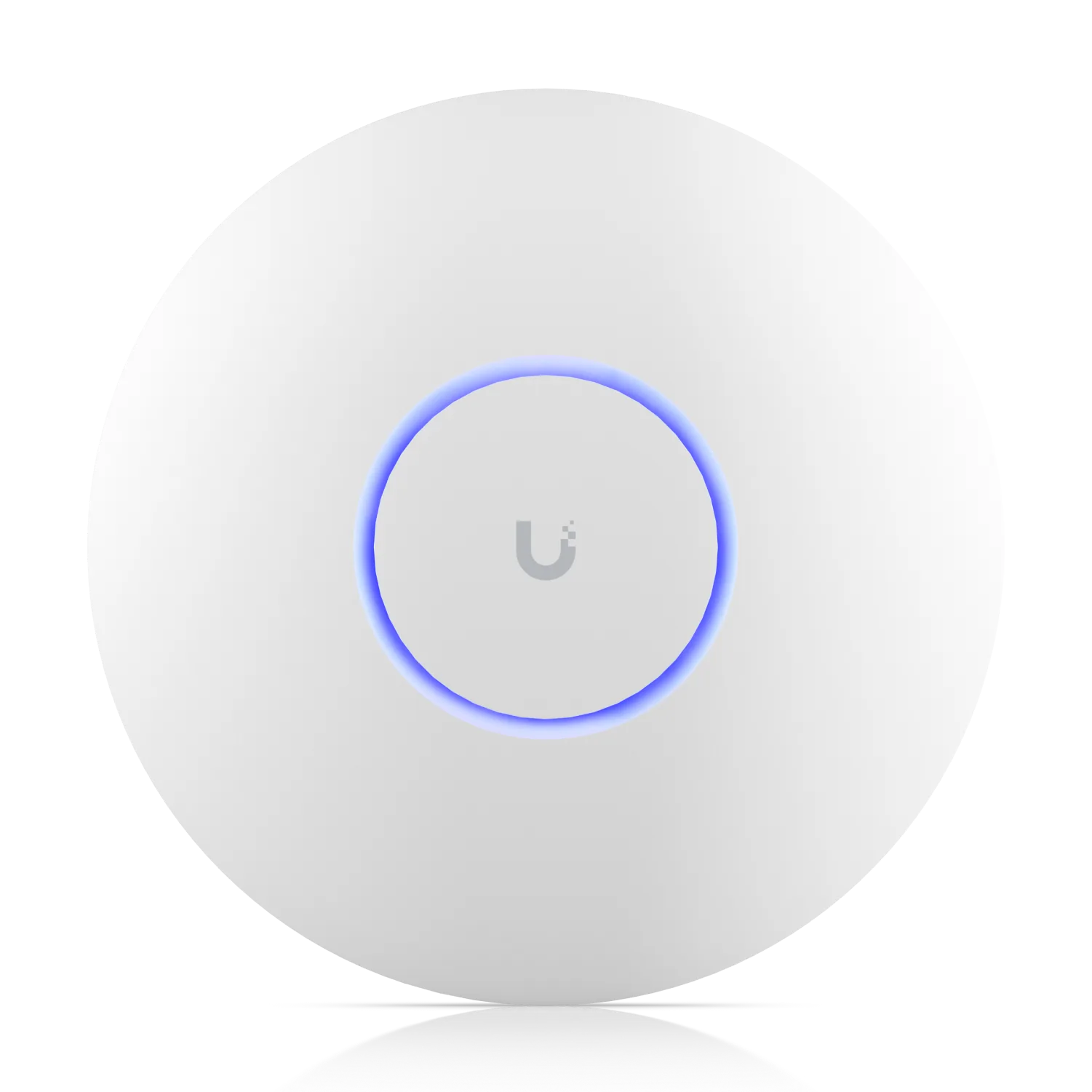
UniFi U7 Pro

UniFi U7 Pro

7.3/10verdict: buy

The UniFi U7 Pro is a ceiling or wall access point for people who want tri-band Wi-Fi 7 and already run, or plan to run, UniFi Network. It suits a home or small-office network that needs 6 GHz and a 2.5GbE uplink. It is less suited to anyone who wants to configure an access point from a simple standalone app.

Typically about £180 in the UK when we researched itCheck price at Amazon UK (opens in a new tab, affiliate link)

Affiliate link. As an Amazon Associate I earn from qualifying purchases. Details

Scores, criterion by criterion

CriterionWeightTP-Link TL-WA1801UniFi U7 Pro
Wi-Fi standard and bands25%6/109/10
Uplink and power20%4/108/10
Management20%7/105/10
Software and security20%4/107/10
Value15%5/107/10
Overall5.3/107.3/10

Specifications

SpecTP-Link TL-WA1801UniFi U7 Pro
Wi-Fi standardWi-Fi 6 (802.11ax)WiFi 7 (802.11be), with 802.11ax (Wi-Fi 6/6E), ac and n listed as supported
Bands and speed classDual-band 2.4 GHz and 5 GHz, marketed as AX1800Tri-band: 2.4 GHz, 5 GHz and 6 GHz, each 2x2 MU-MIMO; max data rates 688 Mbps (2.4 GHz), 4.3 Gbps (5 GHz), 5.8 Gbps (6 GHz); 6 spatial streams
Uplink port1 Gigabit port (supports passive PoE)One 1/2.5 GbE RJ45 port (2.5 GbE)
Power (PoE class)Passive PoE with 48V external supply rated 0.375APoE+ input, 44–57V DC supply range, maximum consumption 21W
ManagementWeb UI and Tether app (free, Android and iOS); SNMP and Ping Watchdog; multi-SSID with VLAN supportEthernet; requires UniFi Network 8.0.28 or later
Mountingnot listedCeiling or wall, with a Pro Mount included

Strengths and weaknesses

TP-Link TL-WA1801

  • + Up to four VLAN-tagged SSIDs per band
  • + Web UI, SNMP and Ping Watchdog included
  • + PoE injector supplied in the box
  • − Single gigabit port, no 2.5GbE
  • − Owners report dropped connections and 5GHz problems
  • − Short firmware history; WPA3 support not listed

Skip it if:

  • Buyers who need 2.5GbE uplink or standard PoE+ power
  • Anyone who requires confirmed WPA3 and guest isolation
  • Users planning to rely on client mode or the 5GHz radio
Read the full TP-Link TL-WA1801 review ›

UniFi U7 Pro

  • + Tri-band Wi-Fi 7 with 6 GHz and 6 spatial streams
  • + 2.5GbE uplink and standard PoE+ input
  • + Guest isolation, Private PSK and RADIUS over TLS, with no paywalled features
  • − Standalone app reported too limited for configuration
  • − Some PoE ports may not supply enough power
  • − One reviewer says it runs extremely hot

Skip it if:

  • Buyers who want to configure an access point fully from a simple standalone app
  • Anyone whose PoE switch can't confirm full PoE+ output on every port
  • Buyers without any Wi-Fi 6E or Wi-Fi 7 clients who don't need the 6 GHz radio
Read the full UniFi U7 Pro review ›

More comparisons

Compare all Wi-Fi access points · Best Wi-Fi access points