Skip to content
sudopicks
esc

DiskStation DS223j vs NASync DXP4800GT

Researched, not hands-on tested.How we review ›

both judged against NAS at a similar price

The NASync DXP4800GT scores 7.5/10 overall, ahead of the DiskStation DS223j at 5.0/10.

The DiskStation DS223j leads on software and ecosystem.

The NASync DXP4800GT leads on storage capacity (bays, M.2), CPU and transcoding, networking, memory ceiling and openness.

The biggest difference is memory ceiling, where the NASync DXP4800GT scores 9/10 to the DiskStation DS223j's 3/10.

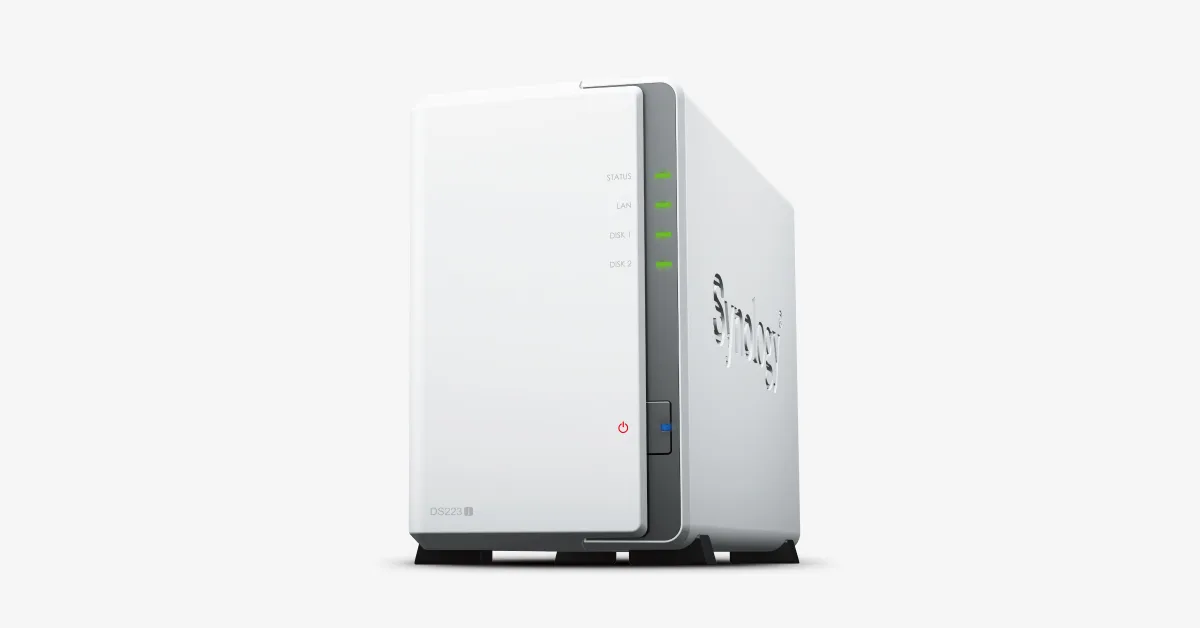
DiskStation DS223j

DiskStation DS223j

5.0/10verdict: skip

The DS223j is for people who want a simple two-bay NAS for file storage and backup. It suits anyone who values easy DSM setup, quiet running and low power draw over raw performance. It is a poor fit for memory-hungry workloads or anyone who needs more than a single 1GbE connection.

Typically about £167 in the UK when we researched itCheck price at Amazon UK (opens in a new tab, affiliate link)

Affiliate link. As an Amazon Associate I earn from qualifying purchases. Details
NASync DXP4800GT

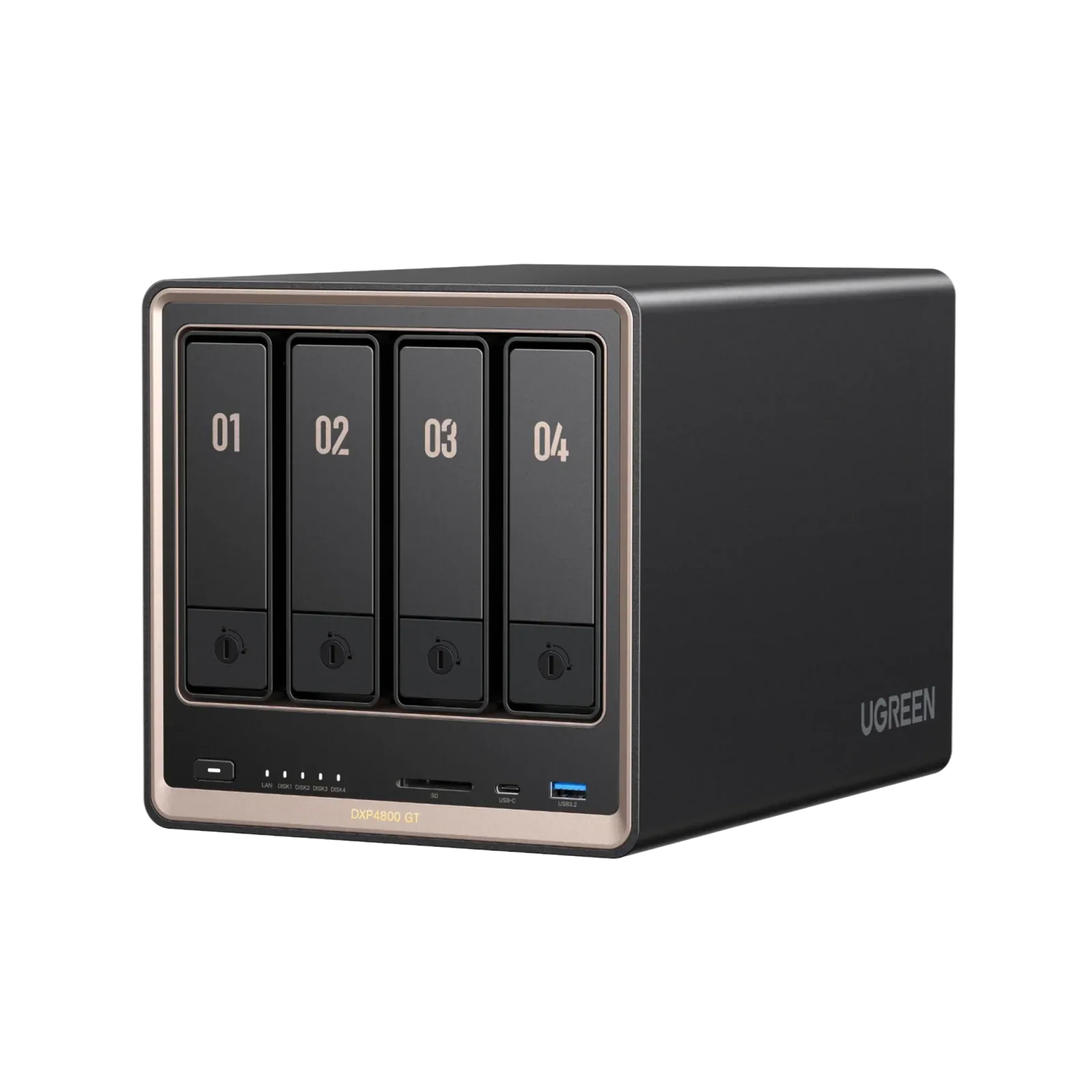
NASync DXP4800GT

7.5/10verdict: buy

The DXP4800GT is a four-bay NAS for people who want 10GbE without adding a card. It suits homelabbers and small offices who plan to run Docker or virtual machines and want room to grow memory up to 64GB. Buyers who need PCIe expansion or a very open software platform should look at the limits first.

Typically about £529.99 in the UK when we researched itCheck price at Amazon UK (opens in a new tab, affiliate link)

Affiliate link. As an Amazon Associate I earn from qualifying purchases. Details

Scores, criterion by criterion

CriterionWeightDiskStation DS223jNASync DXP4800GT
Storage capacity (bays, M.2)20%5/108/10
CPU and transcoding20%4/106/10
Networking20%5/1010/10
Memory ceiling15%3/109/10
Software and ecosystem15%8/105/10
Openness10%5/106/10
Overall5.0/107.5/10

Specifications

SpecDiskStation DS223jNASync DXP4800GT
Drive bays2 x 3.5" SATA HDD or 2.5" SATA SSD (2.5" drives need optional Type C drive holder)4 × SATA 3.5"/2.5" bays (bays 1–2 also support U.2 NVMe)
CPURealtek RTD1619B, 1 CPU, 4 cores, 4 threads, 64-bit, 1.7 GHz, with hardware encryption engineAMD Ryzen Embedded R2514, 4 cores / 8 threads, 2.1–3.7GHz, Zen+ generation, configurable TDP 12–25W
Memory1 GB DDR4 non-ECC8GB DDR4 4800MHz installed, expandable to 64GB, ECC (ODECC) supported
Networking1 x 1GbE RJ-45 LAN port, 2 x USB 3.2 Gen 1 ports2 × 10GbE RJ45; no Wi-Fi
M.2 slotsnot listed2 × M.2 NVMe slots
Expansionnot listedNo PCIe expansion, no Thunderbolt; front 1 × USB-C 10Gb/s, 1 × USB-A 10Gb/s; rear 1 × USB-A 10Gb/s, 2 × USB-A 5Gb/s, HDMI 4K, SD 3.0 card reader; bays 1–2 support U.2 NVMe (PCIe 3.0 x4)
Operating systemDiskStation Manager (DSM)UGOS Pro

Strengths and weaknesses

DiskStation DS223j

  • + DSM software is easy to set up
  • + Quiet with low listed power figures
  • + Reliable for backup duty according to owners
  • − Single 1GbE port, criticised by owners
  • − 1 GB fixed RAM with no published maximum
  • − 2.5in drives need an optional holder

Skip it if:

  • Buyers who need more than a single 1GbE connection
  • Anyone planning containers, VMs or other memory-heavy workloads
  • People who want M.2 cache slots or any expansion options
Read the full DiskStation DS223j review ›

NASync DXP4800GT

  • + Two 10GbE ports with link aggregation up to 20Gbps
  • + Memory expandable to 64GB, with ECC supported
  • + Four SATA bays plus two M.2 slots and U.2 support
  • − No PCIe expansion and no Thunderbolt
  • − UGOS may feel restrictive to advanced users
  • − Fan noise reports conflict, and they cover the Plus model

Skip it if:

  • Buyers who need a PCIe slot or Thunderbolt for add-in cards
  • Advanced users who want deep control beyond what UGOS exposes
  • Anyone who needs Wi-Fi built into the NAS
Read the full NASync DXP4800GT review ›

More comparisons

Compare all NAS · Best NAS